
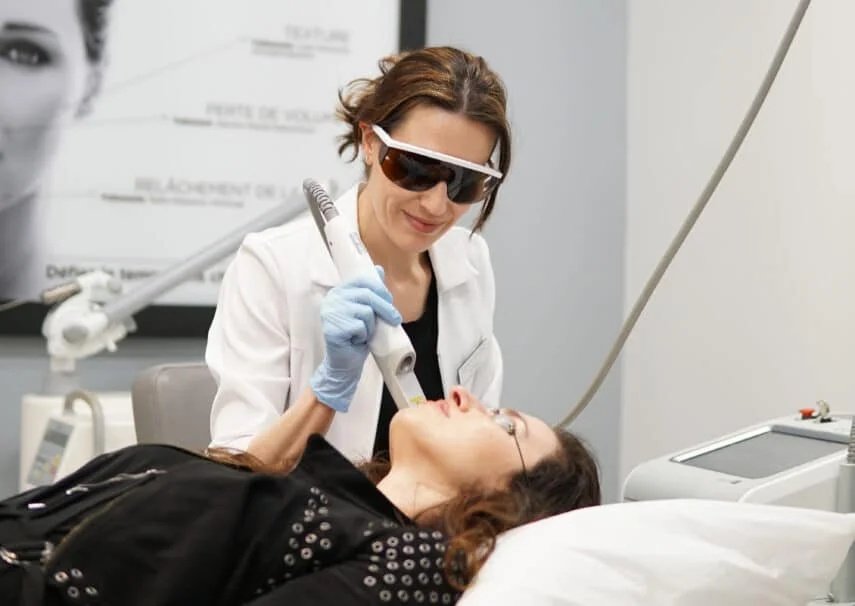
Acne scars can be frustrating, long-lasting, and deeply tied to a person’s confidence. Many people try creams, serums, peels, and home devices, only to see minimal improvement. That’s why more individuals ask: “Does Fraxel help acne scars?” Fraxel laser resurfacing is one of the most researched and effective treatments for acne scar reduction, pigmentation improvement, and overall skin texture rejuvenation. But as powerful as it is, it’s also a procedure that requires proper expectation-setting, aftercare, and understanding.
If you’re exploring advanced solutions to soften pitted scars, refine texture, or brighten discoloration from past breakouts, Fraxel resurfacing may be a strong option. As one of the leading clinics offering tailored resurfacing sessions, Laser & Beyond provides personalized treatment plans designed for long-term skin transformation. Clients researching professional guidance can explore the Laser & Beyond official website, which outlines their aesthetic laser expertise:
View expert skin resurfacing solutions here: Laser & Beyond Aesthetic Clinic
Understanding How Fraxel Laser Treatment Works for Acne Scars
Fraxel is a fractional laser resurfacing technology designed to target thousands of microscopic treatment zones in the skin. Instead of removing the entire surface layer, Fraxel creates micro-injuries that stimulate collagen production and accelerate cell turnover. This makes it ideal for addressing deep and surface-level acne scars, pigmentation irregularities, rough texture, and sun damage.
Because the laser treats a “fraction” of the skin at a time, recovery tends to be faster and safer compared to older, fully ablative lasers. Clients considering Fraxel resurfacing frequently ask about safety and long-term outcomes. When performed by trained experts, this treatment is highly effective for reducing post-acne marks, smoothing indentations, and evening out the skin’s tone.
For individuals exploring reliable, clinic-based resurfacing services, Laser & Beyond is widely trusted for its medical-grade devices, precise evaluation methods, and advanced care protocols tailored to different skin types.
Does Fraxel Help Acne Scars? Understanding Its Effectiveness
The simple answer: Yes, Fraxel laser treatment helps acne scars, especially when the scars are textural, indented, or accompanied by dark pigmentation. Fraxel is effective because:
1. It stimulates new collagen
Acne scars form when collagen is lost during the healing process. Fraxel triggers natural collagen remodeling, helping skin plump from within.
2. It breaks up scar tissue
By resurfacing tiny columns of damaged skin, Fraxel helps soften, smooth, and level out pitted scars.
3. It improves pigmentation
Many people have dark spots or discoloration from previous breakouts. Fraxel helps fade these through controlled resurfacing.
4. It improves overall texture
Beyond scars, Fraxel refines enlarged pores, rough patches, and dullness.
Clients researching Fraxel acne scars NYC often rate their results highly—especially when treatments are spaced correctly and aftercare is followed seriously.
Types of Acne Scars Fraxel Can Improve
Fraxel works well on several scar types, including:
- Ice-pick scars (narrow, deep indentations)
- Boxcar scars (sharply defined depressions)
- Rolling scars (wave-like texture)
- Pigmented scars (brown or red marks)
- Textural roughness
For extremely deep indentations, Fraxel may be combined with microneedling, subcision, or fillers, depending on the provider’s recommendations.
Number of Fraxel Sessions Needed for Acne Scar Improvement
One of the most common questions is the required session count. Most clients need:
3 to 5 Fraxel sessions
for visible texture and scar improvement.
These sessions are typically spaced 4–6 weeks apart to allow collagen to rebuild properly. Mild pigmentation may improve faster, but deeper indented scars require a series of treatments.
Expectation management is essential here—Fraxel dramatically improves scars, but no treatment can erase them completely. Most individuals see a 40%–70% improvement, depending on scar depth, skin type, age, and collagen response.
Fraxel Treatment Benefits Beyond Acne Scar Reduction
Fraxel is not only an acne-scar solution—it also offers full-spectrum resurfacing benefits:
Brightens discoloration and hyperpigmentation
Fraxel breaks excess pigment, helping restore even skin tone.
Stimulates stronger, healthier collagen
Leading to long-term textural refinement.
Improves fine lines and early aging signs
Especially around the eyes and mouth.
Reduces pore size
By rebuilding the skin’s structural support.
Boosts overall radiance
Skin looks smoother and healthier within weeks.
What to Expect During a Fraxel Resurfacing Session
If you’re undergoing Fraxel for acne scars for the first time, here’s what happens step-by-step:
1. Consultation and skin evaluation
Your provider examines scar depth, pigmentation, and skin type to customize the laser settings.
2. Application of numbing cream
Most clinics apply numbing cream for 45–60 minutes because the treatment can feel warm or prickly.
3. Fractional passes across the skin
The Fraxel handpiece glides over the skin, delivering microscopic laser columns.
4. Immediate redness and warmth
Most clients compare the heat sensation to a strong sunburn.
5. Cooling and aftercare instructions
You’ll be guided on protective steps for optimal healing.
For deeper resurfacing needs, you can review a detailed breakdown of modern fractional systems provided by experts here:
Learn more about advanced resurfacing options: Professional Fraxel Laser Overview
Fraxel Downtime and Recovery Timeline
Fraxel does come with some downtime, and the recovery period can vary depending on how deep or intense the treatment is.
On the first day, most clients experience noticeable redness, warmth, and mild swelling, similar to a sunburn. By days two to three, the skin begins to darken and develop a bronzed appearance, often accompanied by slight tightness. Between days three and five, peeling typically begins as the damaged skin naturally flakes away. By days five to seven, the skin generally looks fresher and smoother, and makeup can usually be applied if needed.
Over the following two to four weeks, deeper collagen remodeling continues, gradually improving the appearance of acne scars and overall texture. Throughout recovery, clients should avoid direct sun exposure, harsh skincare products, and intense workouts to support proper healing.
Possible Side Effects of Fraxel for Acne Scars
While Fraxel is safe and widely used, temporary side effects are normal:
- Redness
- Swelling
- Dryness
- Peeling
- Skin darkening before shedding
- Mild sensitivity
Uncommon risks include hyperpigmentation and prolonged redness, especially for darker skin tones or those who do not follow aftercare. This is why professional post-treatment guidance is essential.
Aftercare for Best Fraxel Results
Post-care plays a major role in achieving the best Fraxel results, contributing to nearly half of your overall outcome. After treatment, it’s important to use gentle cleansers and apply hydrating serums such as hyaluronic acid to support skin repair. You should avoid harsh exfoliants, retinol, and strong acids until your provider advises otherwise. Protecting your skin from direct sunlight and consistently wearing sunscreen is essential to prevent pigmentation issues. Cold compresses can help reduce swelling during the first few days, and staying well hydrated supports faster healing. Following the right aftercare routine helps maintain a strong skin barrier and enhances the long-term benefits of your Fraxel resurfacing treatment.
Cost Breakdown: How Much Does Fraxel for Acne Scars Typically Cost?
Fraxel treatment cost depends on:
- Treatment area size
- Number of sessions
- Severity of scars
- Technology type
- Professional expertise
Acne-scar packages can vary widely. Some clients opt for single sessions, while others choose multi-session bundles for deeper scars.
For guidance on customized resurfacing plans suitable for different skin types and scar profiles, you can explore this detailed overview:
Visit this professional Fraxel information resource: Fraxel Treatments by Experts
Realistic Results: What You Can Expect Long-Term
Fraxel does not completely erase acne scars, but it significantly improves their visibility and overall skin texture. Most clients begin to notice smoother, more even skin as scars appear softer and less deep. Pigmentation irregularities such as dark spots and uneven tone gradually fade, while pores become smaller and the skin surface appears more refined. These improvements continue to develop over several months, as collagen production increases and the skin undergoes natural remodeling for up to three to six months after each session. As the skin becomes clearer and more balanced, many people experience a noticeable boost in confidence. Setting realistic expectations is important—Fraxel offers substantial enhancement, but not total scar removal.
Conclusion: Is Fraxel Worth It for Acne Scars?
Fraxel laser treatment is one of the most advanced and effective solutions for improving acne scars, pigmentation, and overall texture. With collagen stimulation and fractional resurfacing technology, it delivers smooth, long-term improvement—even for deep or stubborn scars. While results require patience and multiple sessions, the transformation can be life-changing for many individuals.
If you’re ready to explore dramatic, confident-boosting skin improvement, it’s essential to book a consultation with a trusted and experienced provider who understands scar depth, skin type, and safety.
Take the next step toward smoother, clearer skin — book your personalized Fraxel consultation today: Schedule Your Appointment
FAQs About Fraxel Laser Treatment for Acne Scars
Yes, Fraxel is one of the most effective treatments for both textural and pigmented acne scars. It stimulates collagen remodeling and resurfacing to soften indentations and fade discoloration. Results improve progressively over multiple sessions.
Most people need 3–5 sessions spaced about a month apart. Deep or long-standing scars may require additional treatments or combination therapies. Each session builds collagen for continued improvement.
Downtime typically lasts 3–7 days, depending on treatment intensity. Expect redness, bronzing, peeling, and a temporary “sunburn-like” feeling. With gentle skincare and sunscreen use, clients recover smoothly.
Absolutely. Fraxel is highly effective for post-inflammatory hyperpigmentation, brown spots, and uneven skin tone. It breaks up excess pigment and accelerates the turnover of fresh skin for a clearer complexion.
Fraxel can be used on most skin types, but customized settings matter—especially for medium to deeper tones. A professional evaluation ensures the safest approach and reduces any risk of pigmentation changes.