
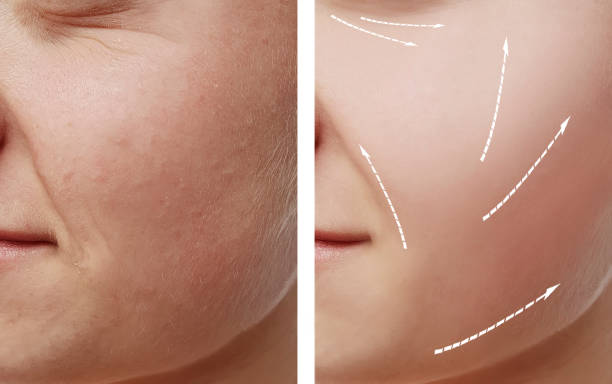
Skin resurfacing treatments have become one of the most effective ways to address aging, sun damage, uneven tone, and texture concerns. With so many options available, choosing the right treatment can feel overwhelming. The comparison of Fraxel vs chemical peel vs microneedling is one of the most common questions asked by people seeking visible skin improvement without surgery.
Each treatment works differently, targets specific concerns, and comes with its own balance of downtime, cost, and effectiveness. Understanding how these options compare allows you to select the treatment that aligns with your skin goals, lifestyle, and budget.
Clinics such as Laser & Beyond advanced skin specialists emphasize education-driven consultations, helping patients make informed decisions rather than choosing treatments blindly.
This guide breaks down how Fraxel, chemical peels, and microneedling compare—so you can confidently determine the best skin resurfacing for sun damage, wrinkles, pigmentation, or texture concerns.
Understanding Skin Resurfacing Treatments
Skin resurfacing treatments are designed to stimulate skin renewal by removing damaged outer layers or triggering collagen production beneath the surface. While all three treatments aim to improve skin quality, their methods and depth of treatment differ significantly.
Fraxel uses fractional laser technology to treat deeper layers of skin. Chemical peels rely on controlled exfoliation using acids. Microneedling stimulates healing through micro-injuries that encourage collagen production.
The right choice depends on your skin condition, tolerance for downtime, and desired results.
How Fraxel Laser Resurfacing Works
Fraxel is a fractional laser treatment that targets microscopic sections of skin while leaving surrounding tissue intact. This approach stimulates collagen production while accelerating healing.
Fraxel is widely regarded as one of the most effective options for addressing:
- Sun damage
- Fine lines and wrinkles
- Acne scars
- Uneven texture
- Pigmentation irregularities
Because it penetrates deeper than many surface treatments, Fraxel is often considered the best skin resurfacing for sun damage and more advanced skin concerns.
More details about the procedure can be found through Fraxel laser resurfacing treatment resources.
Chemical Peels Explained
Chemical peels work by applying a solution that exfoliates the outer layers of skin. The strength of the peel determines how deeply it penetrates and what concerns it addresses.
There are three main types:
- Superficial peels for mild discoloration and dullness
- Medium peels for pigmentation and fine lines
- Deep peels for significant sun damage and wrinkles
Chemical peels can be effective for tone correction but may not address deeper structural issues as effectively as laser treatments.
Microneedling and Collagen Stimulation
Microneedling uses fine needles to create controlled micro-injuries in the skin. These microchannels stimulate the body’s natural healing response, boosting collagen and elastin production.
Microneedling is commonly used to improve:
- Mild acne scars
- Fine lines
- Texture irregularities
- Overall skin firmness
While results are gradual, microneedling appeals to those seeking minimal downtime and lower upfront cost.
Fraxel vs Chemical Peel vs Microneedling: Effectiveness Comparison
When comparing Fraxel vs chemical peel vs microneedling, effectiveness depends largely on the severity of the skin concern.
Fraxel delivers the most dramatic results for deep wrinkles, sun damage, and scarring. Chemical peels offer moderate improvement for surface-level issues. Microneedling provides subtle, cumulative benefits over time.
For individuals prioritizing noticeable transformation, Fraxel often leads in overall effectiveness.
Pigmentation vs Wrinkles vs Texture: Choosing the Right Treatment
Different skin issues respond better to different resurfacing methods.
- Pigmentation: Chemical peels and Fraxel both target discoloration, but Fraxel penetrates deeper for stubborn sun spots
- Wrinkles: Fraxel stimulates collagen at a deeper level than microneedling
- Texture: Microneedling improves mild texture; Fraxel treats more pronounced irregularities
Understanding your primary concern helps narrow down the best option.
Downtime and Recovery Expectations
Downtime is a major deciding factor for many patients.
Fraxel typically requires several days of redness and swelling, followed by peeling. Chemical peels vary from minimal downtime to a week or more, depending on strength. Microneedling usually involves redness that subsides within 24–48 hours.
If downtime tolerance is limited, microneedling may be appealing. If long-term results matter more than short recovery, Fraxel is often worth the investment.
Cost Considerations and Long-Term Value
Cost varies significantly between treatments.
Microneedling is typically the most affordable per session but requires multiple treatments. Chemical peels fall in the mid-range depending on peel depth. Fraxel has a higher upfront cost but often requires fewer sessions.
When evaluating cost vs effectiveness, many patients find Fraxel offers better long-term value due to its lasting results.
Skin Types and Treatment Suitability
Skin type plays a crucial role in treatment selection.
Fraxel can be customized for different skin tones when performed by experienced professionals. Chemical peels require careful selection to avoid pigmentation issues. Microneedling is generally safe for most skin types.
An experienced provider, like those described on the Laser & Beyond practice overview, ensures treatments are tailored safely and effectively.
Common Side Effects Across Treatments
Each treatment carries potential side effects, though most are temporary.
Fraxel may cause redness, swelling, and peeling. Chemical peels can lead to flaking and sensitivity. Microneedling may result in mild irritation or pinpoint bleeding.
Proper aftercare significantly reduces risks and supports smooth recovery.
How to Decide Which Treatment Is Right for You
Choosing between Fraxel, chemical peels, and microneedling depends on:
- Skin goals
- Budget
- Downtime tolerance
- Severity of concerns
- Desired speed of results
Those seeking dramatic improvement often choose Fraxel. Those wanting gentle maintenance lean toward microneedling. Chemical peels work well for targeted tone correction.
Final Thoughts and Call to Action
Understanding the differences between Fraxel, chemical peels, and microneedling empowers you to make a confident, informed decision. Each treatment serves a purpose, but the best choice depends on your skin goals, tolerance for downtime, and long-term expectations.
If you’re ready to explore personalized skin resurfacing options and receive expert guidance, connect with experienced professionals through the Laser & Beyond contact page and take the next step toward healthier, smoother, more radiant skin.
Frequently Asked Questions
Fraxel is widely considered the best skin resurfacing for sun damage due to its deep collagen stimulation.
Microneedling improves texture and collagen, while chemical peels target surface discoloration. Neither is universally better.
Fraxel results can last years with proper skincare and sun protection.
Yes, many treatment plans combine resurfacing methods for enhanced results.
Is downtime unavoidable with skin resurfacing?