
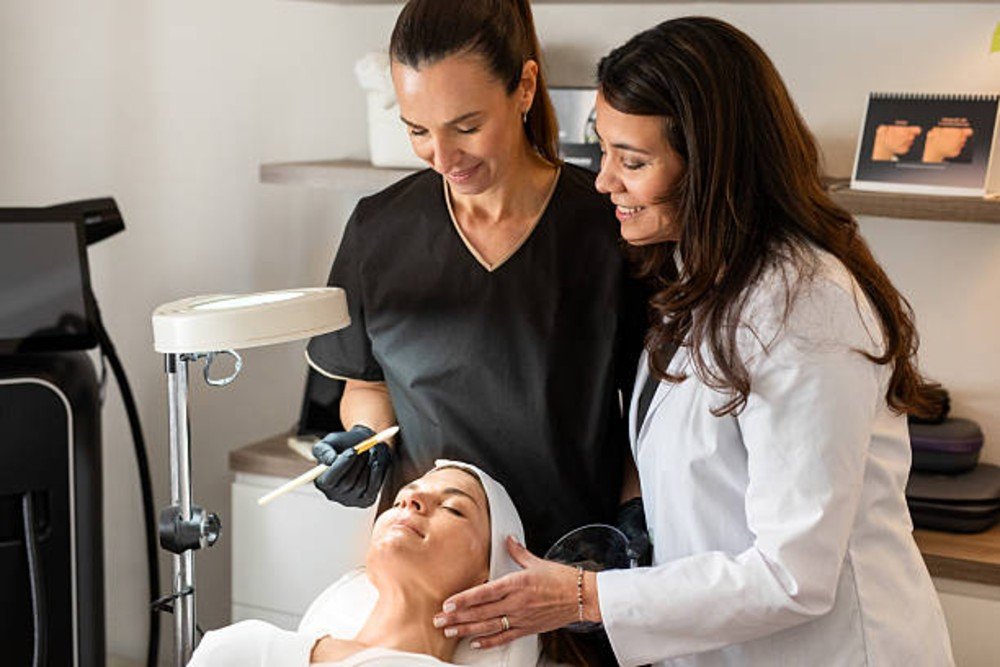
Fraxel skin resurfacing is a powerful treatment designed to improve texture, tone, fine lines, and acne scars by stimulating collagen deep within the skin. While the technology itself is advanced, the success of your results depends heavily on how well your skin is prepared before treatment. Many people focus only on what happens during the session, but what you do in the weeks leading up to it can significantly impact safety, comfort, and final outcomes.
This comprehensive guide explains exactly how to prepare skin before Fraxel treatment, what adjustments to make in your skincare routine, which habits to pause, and how to minimize risks while maximizing results. If you want smoother healing and more noticeable improvements, preparation is not optional—it is essential.
Clinics that emphasize patient education and personalized care, such as Laser & Beyond, often see better outcomes because clients arrive properly prepared and informed.
Why Proper Fraxel Preparation Matters for Skin Safety and Results
Fraxel works by creating microscopic treatment zones in the skin to trigger natural healing and collagen renewal. If the skin barrier is compromised beforehand—due to sun exposure, harsh products, or active irritation—the risk of prolonged redness, pigmentation issues, or delayed healing increases.
Following a structured Fraxel preparation guide NYC clients often seek ensures your skin is calm, hydrated, and resilient before treatment. This allows the laser energy to work efficiently while reducing unnecessary stress on the skin.
Preparation also influences how quickly you recover and how even your final results appear. Skipping these steps may not cancel your treatment, but it can limit its effectiveness.
Managing Sun Exposure Before a Fraxel Session
Sun exposure is one of the most important factors to control before Fraxel treatment. Tanned or sunburned skin is more sensitive to laser energy and carries a higher risk of hyperpigmentation.
Avoid direct sun exposure, tanning beds, and self-tanners for at least two to four weeks prior to your session. Daily use of broad-spectrum SPF is essential, even on cloudy days or when spending time indoors near windows.
Protective clothing and hats further reduce risk and help maintain even skin tone going into treatment.
Adjusting Your Skin Care Routine Before Fraxel
Your skincare routine should be simplified and supportive in the weeks leading up to Fraxel. Active ingredients that increase cell turnover or exfoliation should be paused to prevent irritation.
Avoid retinoids, alpha hydroxy acids, beta hydroxy acids, benzoyl peroxide, and exfoliating scrubs for at least 7–10 days before treatment. These products can thin the skin and increase sensitivity during laser resurfacing.
Focus instead on gentle cleansers and barrier-repair products that support skin health.
Choosing the Right Moisturisers for Pre-Treatment Care
Hydrated skin responds better to laser treatment and heals more efficiently afterward. Use moisturisers that are fragrance-free and formulated to strengthen the skin barrier.
Look for ingredients such as ceramides, hyaluronic acid, glycerine, and niacinamide. Avoid products with alcohol or strong essential oils, which can cause dryness or irritation.
Consistent moisturising helps prepare the skin for controlled injury and faster recovery.
Why SPF Is Non-Negotiable Before Fraxel
Daily SPF use is critical when preparing for Fraxel. Even minimal UV exposure can trigger pigmentation issues when combined with laser treatment.
Use a broad-spectrum sunscreen with at least SPF 30 and reapply as needed throughout the day. Physical sunscreens with zinc oxide or titanium dioxide are often preferred for sensitive skin.
SPF is not only part of preparation—it is also essential during the healing process after treatment.
Understanding Contraindications Before Fraxel Treatment
Not everyone is an ideal candidate for Fraxel at all times. Certain conditions can temporarily or permanently prevent treatment.
Common contraindications include active skin infections, open wounds, pregnancy, recent isotretinoin use, and certain autoimmune or photosensitive conditions. Recent cosmetic procedures such as chemical peels or injectables may also require a waiting period.
Always disclose your full medical and skin history during consultation to ensure safety.
Patch Test: When and Why, It May Be Recommended
A patch test may be advised if you have sensitive skin, a history of pigmentation issues, or concerns about how your skin will respond to laser energy.
This involves treating a small area to observe healing response and pigment changes before proceeding with a full session. While not required for everyone, it adds an extra layer of safety for high-risk skin types.
Medications to Avoid Before a Fraxel Session
Certain medications increase photosensitivity or interfere with healing and should be paused before treatment. These may include antibiotics, blood thinners, and some acne medications.
Herbal supplements like St. John’s Wort or high-dose vitamin E may also increase bruising or sensitivity. Always follow provider guidance on which medications to avoid and for how long.
Never stop prescription medications without medical approval.
What to Expect on the Day of Your Fraxel Treatment
Arrive with clean skin free of makeup, lotions, or sunscreen. Your provider will cleanse the treatment area and may apply topical numbing to improve comfort.
During the procedure, you may feel warmth or a prickling sensation as the laser passes over the skin. Treatment time varies based on the area being treated.
Advanced treatment protocols like those used in Fraxel skin resurfacing treatments are designed to balance effectiveness with comfort.
Numbing Options and Comfort During Treatment
Topical numbing cream is commonly applied before Fraxel to reduce discomfort. In some cases, cooling devices or additional comfort measures may be used.
Discuss your pain tolerance and concerns beforehand so appropriate numbing options can be provided.
Understanding the Healing Process After Fraxel
Healing after Fraxel is gradual and predictable when preparation is done correctly. Expect redness, swelling, and a sunburn-like sensation for several days, followed by dryness and light flaking.
The skin may appear bronzed or rough as microscopic treatment zones heal and shed. This is a normal part of collagen stimulation.
Avoid picking or exfoliating during healing to prevent scarring or pigmentation issues.
Essential Aftercare Steps for Optimal Results
Aftercare begins immediately after treatment. Continue gentle cleansing, frequent moisturising, and strict sun protection.
Avoid heat, strenuous exercise, saunas, and hot showers for at least 48 hours. Makeup should be avoided until skin integrity is restored.
Proper aftercare supports faster recovery and more even results.
Cost Considerations and Treatment Planning
Understanding treatment costs helps you plan realistically. Pricing varies based on treatment depth, area size, and number of sessions recommended.
Transparent providers offer clear breakdowns, so you know what to expect before committing. You can review detailed options through Fraxel treatment pricing information to plan your investment confidently.
Final Thoughts: Preparation Is the Key to Successful Fraxel Results
Fraxel skin resurfacing is a powerful tool for skin renewal, but results are strongest when preparation is taken seriously. From managing sun exposure to adjusting your skincare routine and understanding medications to avoid, every step contributes to safety and success.
If you’re ready to move forward with confidence and want a personalized pre-treatment plan, the best next step is a professional consultation. Connect with an expert through Laser & Beyond’s Fraxel consultation page to begin your treatment journey fully prepared and informed.
Frequently Asked Questions About Fraxel Preparation
Preparation typically starts two to four weeks before your session, especially regarding sun exposure and skincare adjustments.
Retinol should be stopped at least 7–10 days before treatment to reduce irritation risk.
Yes, well-hydrated skin heals faster and responds better to laser treatment.
Skipping preparation can increase sensitivity, prolong healing, and reduce overall results.
Initial healing takes about one week, with collagen improvement continuing for several months.